

Recovery
with a recipe for Bacillus Subtilis "Yogurt"

To some degree, I’ve been following the protocol described in Super Gut by Dr. William Davis. I’m not able to share many details right now because I’m hoping for a full recovery. But I’d like to say that I’ve frequently told my husband, “I’m getting better!”
I finally realized why I keep saying this: while I still have symptoms, their severity has greatly reduced. Much of what I’ve been doing involves natural health supplements—a former subscriber who blocked me disliked my suggestion that supplements can aid healing. But my experience shows they can! There’s more to it than just supplements, though.
Unfortunately, as I mentioned, I don’t want to share more details yet—I’m still aiming for full recovery. Sharing too soon might jinx it, or it might not work out. Let’s wait until I’m certain. Until then, I don’t want to mislead anyone.
It’s not quick, and I’m not sure how much longer full recovery will take. I hope you’ll stick around with patience to learn what I confronted and how.
In the meantime, here are recommendations based on my experiences. Your results may differ—we all face unique issues. It’s hard to pinpoint the most important steps since I don’t live in a test tube.
Key Recommendations
Here’s a list of things that have helped me:
Read Super Gut by William Davis. I’ve read and re-read it for clarity. The protocol is complex, so I created checklists to track daily actions and implement as many elements as possible. It’s my personalized version guided by the book—I can’t complete everything daily, but the checklists keep me accountable.
Eat fermented foods. Learn to make homemade fermented vegetables like sauerkraut and pickles. Include kefir and yogurt.
Eat prebiotic foods. Here’s a short list to add to your diet (read the book for more): radishes, hummus, legumes, green bananas, asparagus, garlic, onions, avocados, mushrooms, raw or dry-roasted nuts and seeds (with skins).
Cut carbs (except prebiotic fibers). Avoid sugar, starchy foods, alcohol, and processed foods.
Learn Buteyko and diaphragm breathing.
Diaphragm breathing became easier for me once I understood the anatomy—watch this short video on the diaphragm. Visualize it expanding downward on inhale to fill your lungs. Breathe slowly and smoothly (not too slow); here’s a video for good pacing. The visualization helps most on inhale; exhale naturally. Let me know in comments if exhale feels tricky!
https://youtube.com/shorts/RtfhgxddRtc
Follow the 80% rule (Hara Hachi Bu). This Okinawan practice advises stopping at 80% full to prevent overeating, cut calories, manage weight, and promote longevity. [Wikipedia]
Eat SuperGut yogurt daily. Recipe: https://substack.com/@xrenee0/p-183780610
Since I often revisit my blog for the SuperGut yogurt recipe, here’s another one for this post: Bacillus subtilis “yogurt” (technically fermented dairy, so don’t be misled by the term). This isn’t in Super Gut, but I’m attaching it here.
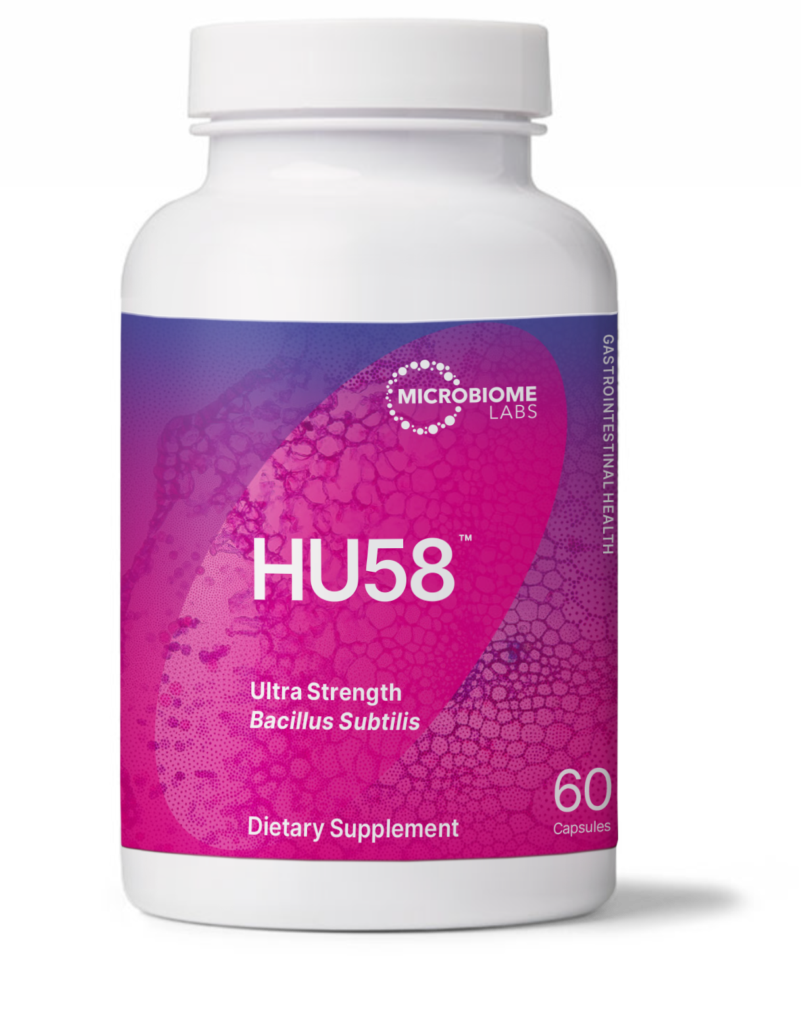
B Subtilis HU58 Fermented Dairy (Yogurt)
Bacillus subtilis HU58 is a robust, spore-based probiotic known for 100% survivability through harsh stomach acid, significantly enhancing gut health by balancing microbiota and increasing short-chain fatty acid (SCFA) production by 40%. It supports digestive function, boosts immune responses, improves gut barrier integrity, and is often used to manage IBS, bloating, and leaky gut. 1
The purpose of the recipe is to activate this microbe through prolonged fermentation. In this process, a small amount of added sugar serves as food for the bacteria, allowing them to multiply more rapidly and achieve higher concentrations for stronger and faster effects. 8 servings.
🥛 Ingredients
1 quart whole milk (no additives)
2 Tbsp sugar
1 capsule Bacillus Subtilis HU58
🛠️ Equipment
🫙 1 quart glass jar (or other glass containers used with your yogurt maker)
🥄 Spoon/silicone spatula/ whisk
🥣 Small bowl for slurry
🌡️ Yogurt maker or sous vide (90°F precise)
❄️ Freezer trays/bags for starters
👩🍳 Instructions
Heat Milk: Pour milk into saucepan. Heat to 180°F (82°C), stirring occasionally. Cool to below 90°F (32°C).
Slurry: Mix 2 Tbsp sugar + 2 Tbsp cooled milk in a bowl. Sprinkle the sugar slowly to the milk while whisking for best results. Stir gently until dissolved. Add opened probiotic capsule, or 2 Tbsp of previous batch; blend softly.
Combine: Pour slurry into jar(s) with remaining cooled milk. Stir evenly. Lid loosely.
Ferment: Place on trivet in device at 90°F (32°C) for 24 hours. Curds/whey separation is normal.
Cool & Store: Refrigerate 4+ hours. Thick, tart, fresh-smelling result.
🔄 Culture Maintenance
Save 2 Tbsp per batch in freezer trays (label “B Subtilis HU 58 Gen 1”). Thaw overnight for next use.
Restart with capsules after 6 generations. Ideal for travel!
💡 Notes
the first batch may not turn out as well as subsequent batches, for this reason it makes sense to save the first batch as a starter.
studies have found that patients diagnosed with IBS reported an increase in their quality of life, less worry over their health concerns, and even improvement in their anxiety and depression after using soil-based probiotics.
mild, creamy, sometimes even minty flavour
Use only pure dairy (milk only).
Benefits: Gut healing, reduced inflammation (patience required, 2 months).
https://microbiomelabs.com/home/products/hu58/
For anyone who is avoiding dairy here is an experimental recipe, I haven't tried it. Let me know how it goes if you decide to try it:
B. subtilis HU58 Coconut Probiotic Tonic
Purpose: Light, tangy, coconut-based functional drink to maximize B. subtilis activation and SCFA-promoting potential.
🥥 Ingredients (8 servings)
1 quart (4 cups) full-fat coconut milk or coconut beverage (no gums or preservatives)
2 cups filtered water
2 Tbsp cane sugar, coconut sugar, or honey (fuel for bacterial replication)
1 tsp inulin powder or resistant starch (optional prebiotic booster)
1 capsule Bacillus subtilis HU58 (opened, spore powder only)
🛠️ Equipment
1-quart glass jar or bottle
Whisk or hand blender
Yogurt maker, sous vide, or seedling mat (for stable ~90–95°F / 32–35°C warmth)
Breathable cover (cheesecloth or fermentation lid to allow gas exchange)
👩🍳 Instructions
Prepare Base:
In a saucepan, combine coconut milk and filtered water. Warm gently to 170°F (77°C) for 5 minutes (this sterilizes without splitting the fats). Cool to ~90°F (32°C).
Inoculate:
In a small bowl, mix ½ cup cooled coconut blend with sugar and (optional) inulin. Stir until dissolved. Sprinkle the opened HU58 capsule, mix briefly, then return to main jar. Stir gently with a whisk to distribute spores.
Ferment:
Loosely cover your jar to allow limited oxygen (don’t seal airtight). Place in a warm spot (90–95°F / 32–35°C) for 24–36 hours. Stir halfway through if possible.
Signs of progress: slight bubbling at surface, subtle tangy or nutty aroma (never sour or rancid).
Cool & Store:
Refrigerate immediately after fermentation to pause growth and stabilize flavor. Shake before pouring — it will separate naturally. Keeps up to 10 days.
💡 Flavor and Function Tweaks
Add 1–2 tsp lemon juice or ginger juice post-ferment for brightness and mild acid balance.
Blend lightly with cucumber or aloe juice for a more hydrating tonic.
You can also dose 1–2 Tbsp from this tonic into smoothies or kefir-like drinks as a starter culture for the next batch.
🔄 Culture Maintenance
Save 2 Tbsp per batch, freeze in clean ice cube trays labeled “HU58 Coconut Gen 1.”
Restart with a fresh capsule every 5–6 generations to refresh spore count.
🧠 Microbial Insight
Coconut milk offers medium-chain triglycerides (MCTs) that stabilize B. subtilis spores and naturally inhibit harmful microbes. Combined with simple sugars and a prebiotic additive, the result is a balanced environment where spores can germinate, multiply, and re-sporulate efficiently — yielding high survivability through stomach acid once consumed.
Thank you Renee, I hope you make a full recovery soon. I love you recipes and I'm making yogurt every two weeks. It is so easy and it tastes so much better than the commercial stuff.
Leslie